
"coffee stem cutting"
80 article(s) found

Control of Diseases and pests in Coffee
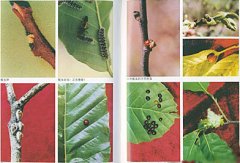
(1) Pest control 1. Coffee tiger longicorn beetles are distributed in all coffee producing areas in the world, and also occur in Yunnan, Guangxi and Hainan Island in China. It is one of the major pests of coffee. The coffee tiger longicorn beetle harms the coffee trunk for more than 2 years. At first, it eats between the cambium and xylem, and then eats the xylem. The victim was in a curved tunnel filled with sawdust.
Common Diseases and pests in Coffee cultivation and Prevention and Coffee basic knowledge
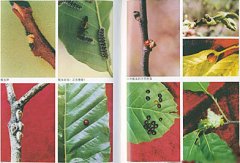
(1) Pest control 1. Coffee tiger longicorn beetles are distributed in all coffee producing areas in the world, and also occur in Yunnan, Guangxi and Hainan Island in China. It is one of the major pests of coffee. The coffee tiger longicorn beetle harms the coffee trunk for more than 2 years. At first, it eats between the cambium and xylem, and then eats the xylem. The victim was a curved tunnel filled with sawdust.
Common Coffee Diseases and pests in Coffee cultivation and Control methods
It is distributed in all coffee producing areas in the world, and it also occurs in Yunnan, Guangxi and Hainan Island in China. It is one of the major pests of coffee. Coffee longicorn beetles, which damage the coffee trunk by larvae for more than 2 years, initially eat between the cambium and xylem, and then eat (1) pest control. 1. Coffee tiger longicorn beetles are distributed in all coffee producing areas in the world. Yunnan, Guangxi and Hainan, China

Cultivation Techniques of Coffea arabica in Yunnan
Control methods: ① strengthen management, reasonable pruning, appropriate shade. (2) Artificial killing of adults and larvae, timely cutting down and burning of damaged branches. 2. Coffee leopard wood moth. It is widely distributed and is one of the common coffee pests, which can harm a variety of economic crops. The larvae overwinter in the branches, and the larvae often eat upward in the branches, forming a tunnel of 30~60 cm. Prevention methods: ①

Cultivation techniques of small Coffee knowledge of Coffee planting
Prevention and treatment methods: ① strengthen management, reasonable pruning, appropriate shade. ② artificially killed adults and larvae, cut off the damaged branches and burned them in time. two。 Coffee leopard bark moth. It is widely distributed and is one of the common coffee pests, which can harm a variety of cash crops. The larvae overwintered in the branches, and the larvae often ate upward in the branches, forming a tunnel of 30cm to 60cm. Prevention and control methods:

Cultivation techniques of Chinese small-grain Coffee cultivation of Coffee varieties of Tieli Katim in Yunnan, China
Prevention and treatment methods: ① strengthen management, reasonable pruning, appropriate shade. ② artificially killed adults and larvae, cut off the damaged branches and burned them in time. two。 Coffee leopard bark moth. It is widely distributed and is one of the common coffee pests, which can harm a variety of cash crops. The larvae overwintered in the branches, and the larvae often ate upward in the branches, forming a tunnel of 30cm to 60cm. Prevention and control methods:

The backbone of coffee trees.
Coffee is a shallow root crop, and the plants propagated with seeds have conical roots. Root system refers to the general name of root. The root morphological distribution and depth of shade varieties / soil conditions and agricultural technical measures are different. From the point of view of varieties, the roots of small / medium grain species are shallower, while those of large grain species are deeper. Under normal circumstances, there is a thick and short taproot and many well-developed lateral roots. Yunnan small-grain coffee has a 4-year-old fruit.
The backbone of the coffee tree
Coffee is a shallow root crop, and the plants propagated with seeds have conical roots. Root system refers to the general name of root. The root morphological distribution and depth of shade varieties / soil conditions and agricultural technical measures are different. From the point of view of varieties, the roots of small / medium grain species are shallower, while those of large grain species are deeper. Under normal circumstances, there is a thick and short taproot and many well-developed lateral roots. Yunnan small-grain coffee has a 4-year-old fruit.
The basic knowledge of coffee tree planting
Coffee is a shallow root crop, and the plants propagated with seeds have conical roots. Root system refers to the general name of root. The root morphological distribution and depth of shade varieties / soil conditions and agricultural technical measures are different. From the point of view of varieties, the roots of small / medium grain species are shallower, while those of large grain species are deeper. Under normal circumstances, there is a thick and short taproot and many well-developed lateral roots. Yunnan small-grain coffee has a 4-year-old fruit.
Boutique Coffee basic knowledge the backbone of coffee trees
Coffee is a shallow root crop, and the plants propagated with seeds have conical roots. Root system refers to the general name of root. The root morphological distribution and depth of shade varieties / soil conditions and agricultural technical measures are different. From the point of view of varieties, the roots of small / medium grain species are shallower, while those of large grain species are deeper. Under normal circumstances, there is a thick and short taproot and many well-developed lateral roots. Yunnan small-grain coffee has a 4-year-old fruit.

Source of Coffee Industry chain-Coffee Garden
In the whole coffee industry chain, coffee planting is probably the source. If you want to save costs, coffee giants with profits will contract local coffee estates where they are going to perform. Starbucks, the fastest growing coffee leader in China in recent years, has also signed a supply agreement with Aini Coffee in Yunnan, China, and then there will be Brista Coffee training School to take you into the coffee.

The living conditions of Coffee Manor at the Source of Coffee Industry chain
In the whole coffee industry chain, coffee planting is probably the source. If you want to save costs, coffee giants with profits will contract local coffee estates where they are going to perform. Starbucks, the fastest growing coffee leader in China in recent years, has also signed a supply agreement with Aini Coffee in Yunnan, China, and then there will be Brista Coffee training School to take you into the coffee.
Organ classification of coffee
Coffee is a shallow root crop, and the plants propagated with seeds have conical roots. Root system refers to the general name of root. The root morphological distribution and depth of shade varieties / soil conditions and agricultural technical measures are different. From the point of view of varieties, the roots of small / medium grain species are shallower, while those of large grain species are deeper. Under normal circumstances, there is a thick and short taproot and many well-developed lateral roots. Yunnan small-grain coffee has a 4-year-old fruit.

Organ Classification of Coffee Coffee belongs to shallow root crops
Coffee is a shallow root crop, and the plants propagated with seeds have conical roots. Root system refers to the general name of root. The root morphological distribution and depth of shade varieties / soil conditions and agricultural technical measures are different. From the point of view of varieties, the roots of small / medium grain species are shallower, while those of large grain species are deeper. Under normal circumstances, there is a thick and short taproot and many well-developed lateral roots. Yunnan small-grain coffee has a 4-year-old fruit.
Basic knowledge of high-quality coffee classification of various parts of coffee trees
1. Root coffee is a shallow root crop, and the plants propagated by seeds are conical roots. Root system refers to the general name of root. The root morphological distribution and depth of shade varieties / soil conditions and agricultural technical measures are different. From the point of view of varieties, the roots of small / medium grain species are shallower, while those of large grain species are deeper. Under normal circumstances, there is a thick and short taproot and many well-developed lateral roots. Yunnan small-grain coffee has been growing for 3-4 years.
A brief description of how to brew the taste and flavor of Yunnan small-grain coffee planting technology
Description of how to brew the taste and flavor of Yunnan small-grain coffee planting techniques A brief introduction to the description of how to brew the taste and flavor of Yunnan small-grain coffee planting techniques how to brew the taste and flavor description of Yunnan small-grain coffee planting techniques how to brew taste and flavor description of Yunnan small-grain coffee planting techniques how to brew taste and flavor description of Yunnan small-grain coffee planting techniques how to brew taste and flavor description of Yunnan small-grain coffee planting techniques how to brew taste and flavor description of Yunnan small-grain coffee planting techniques how to brew taste and flavor description of Yunnan small-grain coffee planting techniques how to brew taste and flavor description of Yunnan small-grain coffee planting techniques how to brew taste and flavor description of Yunnan small-grain coffee planting techniques how to brew taste and flavor description of Yunnan small-grain coffee planting techniques how to brew taste and flavor description of Yunnan small-grain coffee According to different varieties of branches, growth habits, fruiting habits, different environments and different management

Cultivation techniques of small-grain Coffee in Yunnan Province: pest Control
1. Coffee tiger, longicorn beetle. The coffee tiger longicorn beetle harms the coffee trunk for more than 2 years. At first, it eats between the cambium and xylem, and then eats the xylem. It has a great effect on coffee, the light ones make the plants yellow, withered branches and fruit drop, and the serious ones die of the whole plant. At the initial stage of the damage, there was no obvious hole in the appearance, but only slightly raised in the epidermis of the injured area. Prevention and control methods: strengthening the management of ①

Cultivation techniques of small Coffee in Yunnan Province Pest Control of Coffee trees
1. Coffee tiger, longicorn beetle. The coffee tiger longicorn beetle harms the coffee trunk for more than 2 years. At first, it eats between the cambium and xylem, and then eats the xylem. It has a great effect on coffee, the light ones make the plants yellow, withered branches and fruit drop, and the serious ones die of the whole plant. At the initial stage of the damage, there was no obvious hole in the appearance, but only slightly raised in the epidermis of the injured area. Prevention and control methods: strengthening the management of ①

Differences in taste characteristics and historical stories between Japanese matcha and green tea is matcha powder made of green tea
In the heyday of the Tang Dynasty, as people from all over the world went to China to study, Chinese tea also followed the envoys of the Tang Dynasty to his motherland, all over East Asia. Among them, a Japanese monk named Mingan Rongxi is known as the father of Japanese tea. The Mingan Rongxi monk made two trips to China during the prosperous Tang Dynasty, where he studied religion and introduced Linji Zen Buddhism to Japan. For the second time

The latest information on coffee producing areas in India A new version of the Coffee Act will be introduced to promote the development of the coffee industry.
India's current Coffee Act was promulgated in 1942, and many of its provisions have become obstacles to coffee trade because they are not applicable to today's situation. Indian Commerce Minister Piyush Goyal met with coffee growers, roasters, exporters and others at the headquarters of the Bangalore Coffee Council, the Indian news website Republic World reported on September 19th.